Homestead Font: Handwritten Elegance for Makers
There’s something special about the first time you see a handwritten font come to life on a product label. For me, it was a candle jar with a simple name written in Homestead. The letters curled and leaned just right, like they were meant to be there. It wasn’t just a font—it felt like a personal touch, a signature of care.
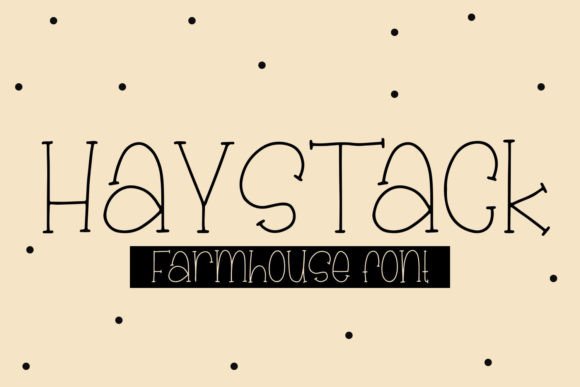
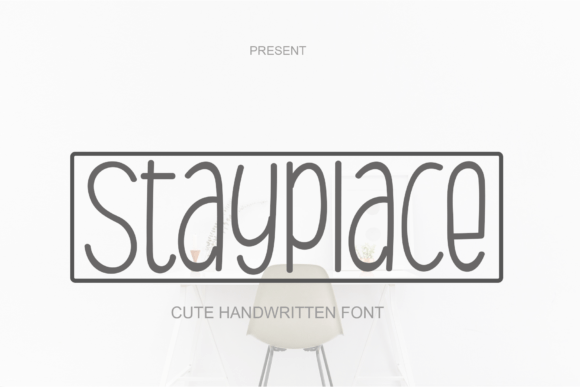
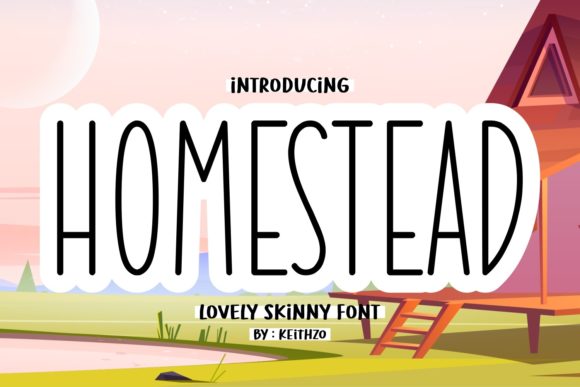
Homestead is a tall, thin, and skinny-looking handwritten script that brings a fresh, elegant vibe to any design. Its delicate strokes and flowing lines make it perfect for adding a handmade feel to everything from greeting cards to packaging. As a crafter, I’ve found it especially useful for creating labels that feel authentic and inviting.
One of the first projects I used Homestead for was a set of candle labels. I wanted the names of each scent to look like they were written by hand, not typed. With Homestead, I could easily create a custom look that felt unique and personal. The font’s slender structure gave the labels a refined appearance, while its natural variation made each label feel one-of-a-kind.
It’s not just for labels. I’ve used Homestead on wedding invitations, where its soft curves added a romantic touch. I paired it with a clean sans serif font for the details, which helped balance the script without overwhelming the design. The result was a look that felt both modern and nostalgic—a perfect blend for a rustic or farmhouse-themed event.
When working on printable wall art, Homestead became my go-to choice for titles and decorative elements. Its visual personality adds a sense of warmth and creativity that’s hard to match. Whether I’m designing a seasonal sign or a planner page, the font brings a level of charm that elevates the whole piece.
I’ve also experimented with using Homestead on tote bags and mugs. The font works well at larger sizes, where its fine details can shine. But I’ve learned to be careful when using it on small stickers or product tags. At smaller sizes, the letters can become less readable, so I often adjust the spacing or use a bolder version if available.
For digital downloads, Homestead is a great asset. It adds a unique flair to templates, whether they’re for planners, calendars, or social media graphics. I always pair it with a complementary font—something like a simple serif or a bold display font—to ensure the design remains balanced and professional.
When choosing a font for a project, I consider how it will be used. Homestead is ideal for short phrases, names, and titles. It’s not the best choice for long paragraphs, but as a display font, it shines in headings, logos, and decorative text. Its versatility makes it a valuable addition to any designer’s toolkit.
One thing I always check before using a font commercially is the licensing. Homestead, part of the Script Amp collection, comes with clear commercial use rights, which is essential when selling physical products, printables, or digital downloads. I also look at the included styles and alternates to see how much flexibility the font offers.
For those who work with cutting machines like Cricut or Silhouette, Homestead can be a bit tricky at smaller sizes. I’ve found that adjusting the font size and ensuring the design is optimized for the machine helps prevent issues with letter clarity. Testing the design on paper or vinyl before final production is always a good idea.
Whether I’m creating a holiday tag, a boutique product label, or a custom sign, Homestead adds a touch of personality that makes each item feel crafted with intention. It’s a font that tells a story, and that’s what makes it so appealing for makers who want to express their creative vision through typography.
From birthday invitations to farmhouse signs, Homestead has proven to be a reliable and stylish choice. Its unique look sets it apart from other fonts, making it a standout option for anyone looking to add a handmade feel to their designs.
As I continue to explore new ways to use Homestead, I’m always impressed by how it enhances the overall aesthetic of my projects. It’s more than just a font—it’s a tool that helps bring creativity to life, one letter at a time.